
Metal parts can take a lot of wear. Wheels face road debris and moisture. Outdoor furniture sits through sun and rain. Equipment may be subject to dirt, scratches, and daily use. Over time, rust, fading, chips, and worn paint can leave these items looking rough and less protected.
Powder coating offers a practical way to refresh suitable metal items while adding a smooth, durable finish. Still, many customers are not sure what happens after they bring a project to the shop. How is the old finish removed? When is the powder applied? What happens during curing?
Dive into our blog to learn how the powder coating process works, what each stage involves, and what you can expect when you bring an item to Powder Tech Solutions in Gibsonville, NC.
What Is Powder Coating?
Powder coating is a dry finishing process used on suitable metal surfaces. Instead of brushing or spraying on liquid paint, a fine powder is applied to a properly prepared item. The piece is then placed in an oven, where heat melts it, allowing it to flow and form a solid finish.
Once cured, the coating creates a strong layer that can help protect metal from:
- Rust and corrosion
- Scratches and chips
- Moisture
- Fading
- Regular wear
- Outdoor exposure
Powder coating can be used for many automotive, commercial, and household projects. Common items include rims, wheels, ATV parts, side-by-side components, machinery parts, outdoor furniture, tools, and metal structures.
Customers can also choose from a wide range of colors, textures, and gloss levels. This makes it easier to match the finish to the item, its use, and the look they want.
Step 1: Reviewing Your Powder Coating Project
The process starts with a review of the item. The shop needs to know what the piece is made from, its current condition, and how it will be used after coating.
This first step helps answer several important questions:
- Is the material suitable for powder coating?
- Is rust or an old finish present?
- Does the item need to be taken apart?
- Will sandblasting be required?
- Are there damaged areas that need attention?
- What color and texture does the customer want?
It helps to explain what you are bringing in and what result you have in mind. Photos may be useful during the first conversation, but the shop may still need to inspect the item in person before confirming the work.
For rims and wheels, Powder Tech Solutions can also discuss tire dismounting, mounting, balancing, and valve stem replacement. Having these services handled with the coating project can make the process easier.
Step 2: Taking Apart and Preparing the Item
Some items need to be disassembled before surface preparation begins. Tires, bearings, plastic pieces, rubber parts, seals, and other heat-sensitive materials may need to be removed.
This matters because powder coating requires high heat during curing. Any part that cannot be safely placed in the oven should not remain attached.
Preparation may also include:
- Removing hardware
- Covering threaded areas
- Plugging holes
- Protecting surfaces that should not be coated
- Cleaning grease or oil from the item
Skipping these details can affect fit, function, or appearance. Careful preparation helps keep the coating where it belongs and protects areas that need to remain bare.
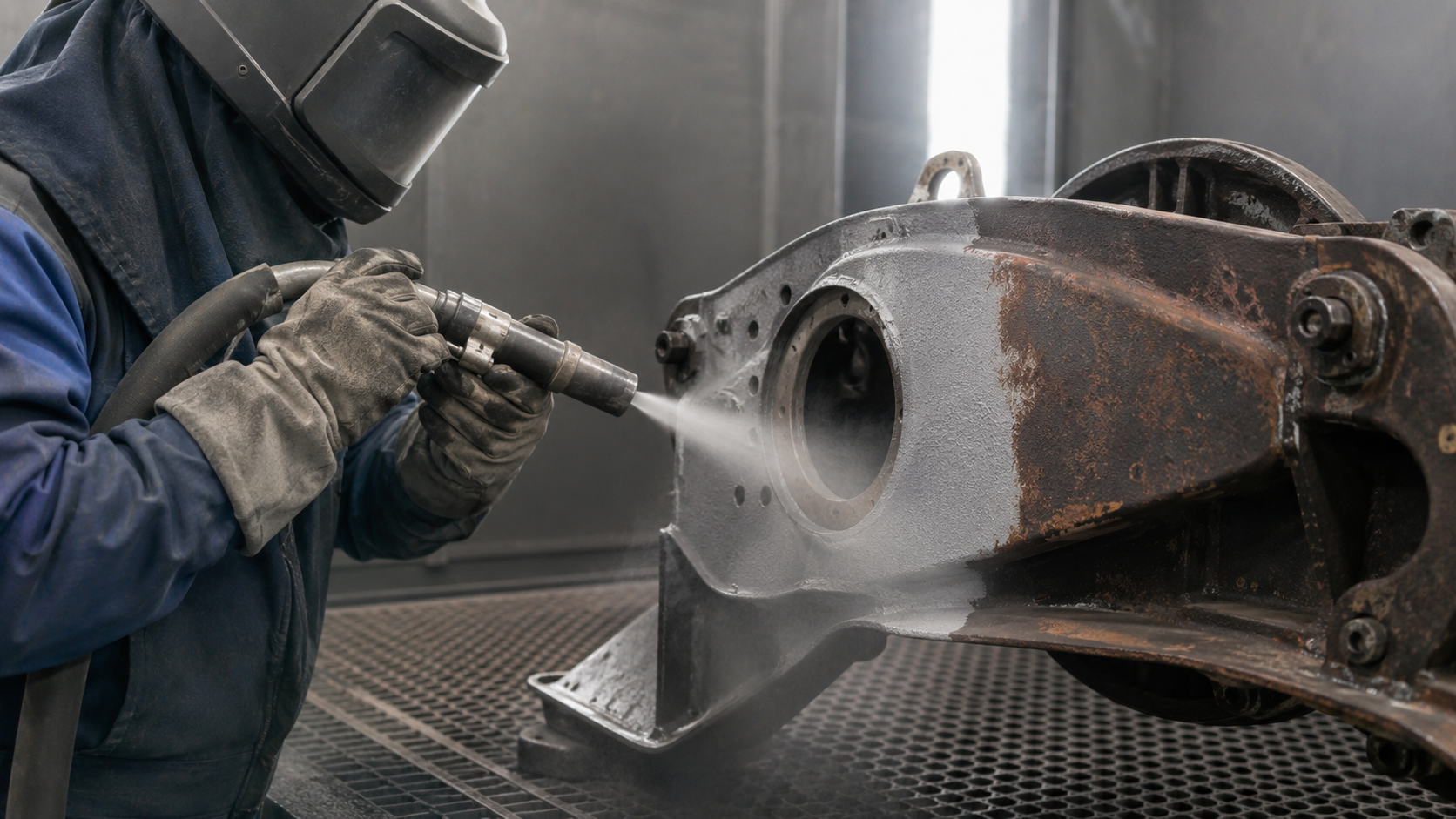
Step 3: Sandblasting Away Rust and Old Coatings
A durable finish needs a clean base. Applying powder over rust, peeling paint, grease, or old coatings can lead to poor bonding and uneven results.
Sandblasting services remove unwanted material from the surface. The process can strip away:
- Rust
- Corrosion
- Old paint
- Previous coatings
- Dirt
- Scale
- Surface buildup
Sandblasting also creates a more even surface for the powder to grip. This is one of the most important parts of the project because even a high-quality coating may not hold up well when the underlying metal is not properly prepared.
The amount of sandblasting needed depends on the item. A lightly worn wheel may require less work than a rusted furniture frame or heavily used piece of equipment.
After blasting, the item is checked for remaining buildup and areas that may need more attention.
Step 4: Cleaning the Surface Before Coating
Sandblasting removes old material, but the item still needs to be clean before powder is applied. Dust, oil, fingerprints, and other residue can interfere with the finish.
The surface is cleaned based on the item type and the metal’s condition. Once this step is complete, the piece should remain free of new contamination.
Any areas that need masking, plugging, or extra protection are checked again before application begins. Proper preparation may take more time than customers expect, but it plays a major role in the final result.
A smooth-looking finish starts with the work completed before the color is applied.
Step 5: Choosing the Color and Finish
Powder coating is available in a wide range of colors, textures, and gloss levels. The right choice depends on the item and your personal preference.
Common finish options may include:
- Glossy
- Satin
- Matte
- Smooth
- Textured
- Metallic
- Clear-coated finishes
A glossy finish can give wheels or custom parts a polished look. Matte and textured coatings may work well for off-road parts, equipment, or outdoor furniture.
Colors can also look different under shop lighting, sunlight, and indoor lighting. Looking at actual samples can give you a better idea of the final appearance than viewing a color on a phone or computer screen.
Step 6: Applying the Powder Coating
Once the metal is clean and ready, the powder is applied with specialized equipment. The process gives the powder an electrical charge, which helps it cling to the grounded metal surface.
The technician works around the item to build even coverage. Corners, curves, edges, and recessed areas may require extra care.
Powder Tech Solutions uses a three-stage coating process when appropriate for the project:
- Primer supports bonding and added protection.
- The base coat provides the selected color and the main finish.
- Clear coat adds another layer over the color.
The exact coating system may depend on the item, its condition, and how it will be used. Not every project has the same needs, so the process should be discussed before work begins.
You can also view our powder coating services to learn more about options for automotive parts, commercial equipment, outdoor furniture, and other suitable metal items.
Step 7: Curing the Finish With Heat
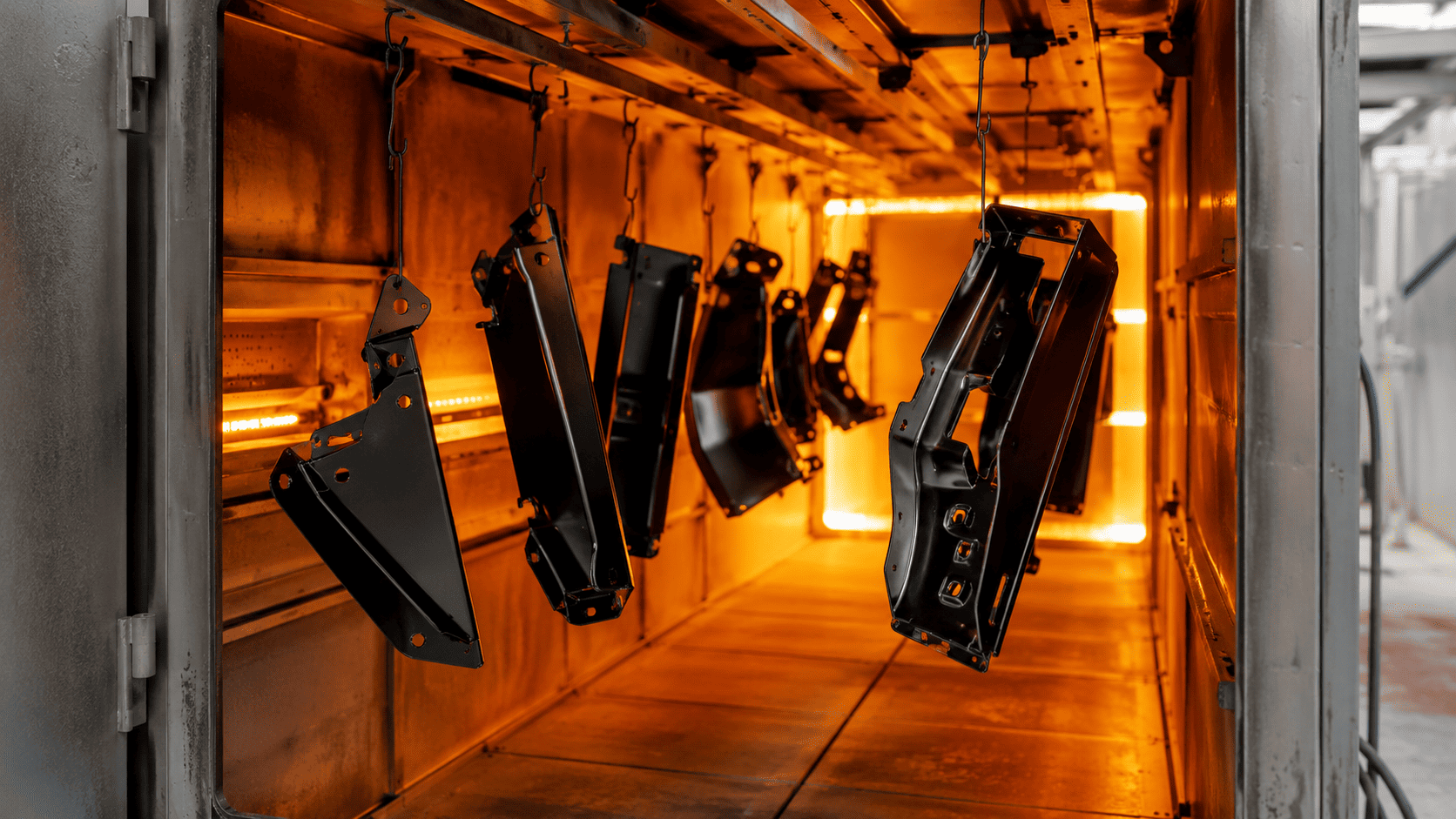
After the powder is applied, the item is placed in a curing oven. Heat causes the powder to melt and flow across the surface. It then forms a solid coating upon completion of the curing cycle.
The correct time and temperature depend on the powder, the metal, and the item’s size. Larger or heavier pieces may take longer to reach the required temperature than smaller parts.
Curing is more than heating the surface until it looks dry. The coating needs the right conditions to form as intended. Removing the item too soon or using the wrong temperature may affect the finish.
Once the curing cycle is complete, the item is removed and allowed to cool before it is handled or inspected.
H2: Step 8: Inspecting and Reassembling the Item
The finished piece is checked for coverage, consistency, color, texture, and overall appearance. The team also looks at edges, corners, and other areas where uneven coverage is more likely to be missed.
A final inspection may include checking for:
- Thin or missed areas
- Surface flaws
- Uneven texture
- Color consistency
- Proper coverage
- Clean masked sections
For wheel projects, tires can then be mounted and balanced. Valve stems may also be replaced when included in the service.
The item should be fully cooled before pickup. Customers can then review the completed finish and receive any care information that applies to the project.
How to Prepare Before Requesting Powder Coating Services
A little preparation can make it easier to discuss your project and receive an accurate quote.
Before contacting the shop, gather the following details:
- The type of item
- The number of pieces
- The material, when known
- The current condition
- Signs of rust or damage
- The existing paint or coating
- Your preferred color and texture
- How the item will be used
Let the shop know about grease, repairs, welded areas, or parts that may be difficult to remove. For wheels, explain whether the tires are still mounted.
Avoid applying fresh paint, oil, or rust treatment to the item before bringing it in unless the shop has asked you to. These materials may add more cleaning and preparation work.
How Long Do Powder Coating Services Take?
Turnaround time depends on the project. The size and number of items, surface condition, preparation work, selected finish, and current shop schedule can all affect timing.
A clean set of parts may move through the process faster than a heavily rusted item with several layers of old paint. Special-order colors may also add time when the selected powder is not currently available.
Ask for an estimated timeline when requesting your quote. Careful preparation and proper curing should not be rushed simply to finish sooner.
Frequently Asked Questions About Powder Coating Services
Can every metal item be powder-coated?
No. The material must withstand the curing temperature, and the item must fit within the available equipment. The shop should inspect the piece before confirming suitability.
Does powder coating remove existing rust?
Powder coating itself does not remove rust. Rust and old coatings must be removed during surface preparation, often through sandblasting, before the new finish is applied.
Can I choose any color?
Many colors, textures, and gloss levels are available. Exact options may depend on powder availability and the project’s needs. Ask to review samples before choosing.
Is powder coating only for automotive parts?
No. It can be used for wheels, commercial equipment, machinery parts, outdoor furniture, metal structures, off-road components, and many other suitable metal items.
Start Your Powder Coating Project With Confidence
Powder coating involves much more than applying color. The final result depends on inspection, cleaning, sandblasting, masking, application, curing, and a careful quality check. Understanding these steps can help you plan your project and know what to expect when you bring an item to the shop.
Powder Tech Solutions provides powder coating and sandblasting services at its Gibsonville, NC, facility. Contact the team to discuss your rims, equipment, furniture, vehicle parts, or other suitable metal items, and receive a quote tailored to your project.
