
Commercial powder coating gives businesses a practical way to protect equipment, tools, machinery parts, and other metal items from daily wear. In busy work settings, metal surfaces can face moisture, dirt, scratches, impacts, and frequent handling. Over time, this can lead to rust, fading, worn finishes, and a less professional appearance. For companies that rely on metal equipment every day, protecting those surfaces can help preserve both function and appearance.
A durable powder-coated finish can be used on new metal parts or older items that need refinishing. It can help businesses maintain valuable equipment, extend the usable life of certain metal components, and improve the overall look of worn items. Understanding how commercial powder coating works can make it easier to decide whether it is the right choice for your equipment and business needs.
What Is Commercial Powder Coating?
Commercial powder coating is a finishing process used on suitable metal surfaces. Instead of applying liquid paint, a dry powder is placed evenly over properly prepared metal. The coated item is then heated in an oven so the powder melts, flows, and cures into a solid finish. Once cured, the coating forms a strong outer layer that can handle regular use while giving the metal a smoother and more finished appearance.
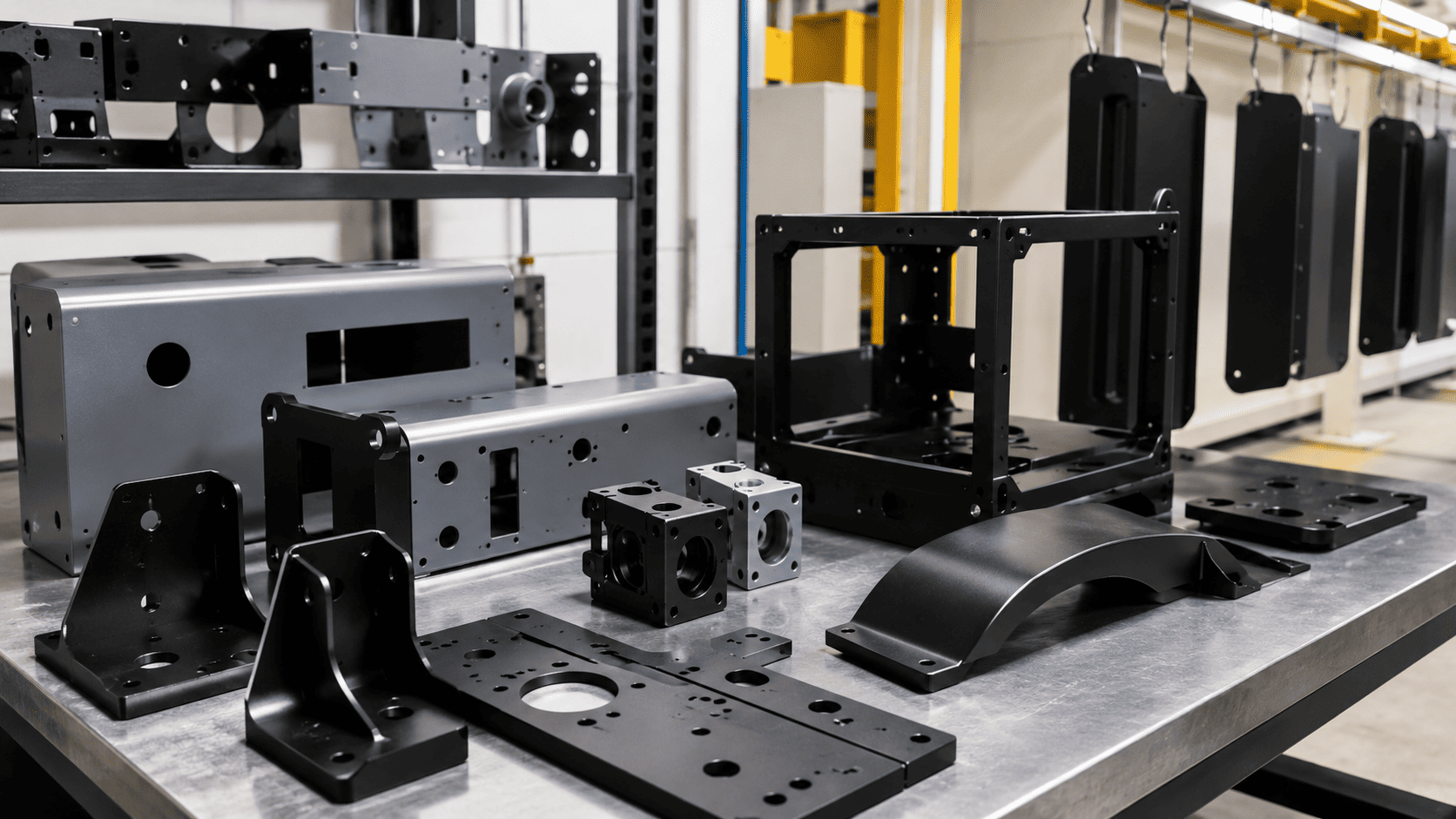
Businesses may use commercial powder coating for machinery parts, tools, metal frames, equipment, wheels, structures, and other suitable components. Because the coating is cured with heat, the item must be made from a material that can safely handle the process. A professional can review the material, construction, and condition of the item before work begins to determine whether powder coating is a good fit.
Why Commercial Powder Coating Works Well for Business Equipment
Business equipment often goes through more wear than household items. Tools may be moved from place to place throughout the day, machinery parts may face vibration and dirt, and metal structures may be exposed to moisture or changing conditions. Frequent use can leave metal surfaces scratched, chipped, faded, or more vulnerable to rust if the original finish begins to fail.
Commercial powder coating adds a protective layer that helps metal surfaces handle these demands. Depending on the item and its environment, the coating can help resist scratches, chips, rust, corrosion, moisture, surface wear, fading, dirt, and frequent handling. This combination of protection and appearance makes powder coating useful for businesses that want their equipment to stay in better condition while maintaining a clean, professional look.
Commercial Powder Coating Can Help Extend Equipment Life
Replacing worn equipment or metal components can be costly, especially when the item is still working properly. In many cases, a tool, frame, component, or piece of equipment may still have plenty of usable life even though the surface has become scratched, faded, rusty, or worn. Refinishing the metal can be a practical alternative when the underlying item remains in good condition.
If the metal is still suitable for use, you can remove old coatings, rust, and buildup before applying a new powder-coated finish. This gives businesses a way to improve the appearance of existing equipment while adding fresh surface protection. Commercial powder coating can also help restore older parts that are still structurally sound but no longer look their best.
Powder coating does not repair structural damage or make unsafe equipment safe. Check cracked, bent, weakened, or heavily damaged parts before refinishing. The overall condition of the item always matters when deciding whether coating is worthwhile.
Surface Preparation Matters Before Commercial Powder Coating
A strong powder-coated finish starts well before the powder is applied. Dirt, grease, rust, old paint, and surface buildup can interfere with the way the coating bonds to the metal. If these materials remain on the surface, the finished coating may not look as even or perform as expected over time.
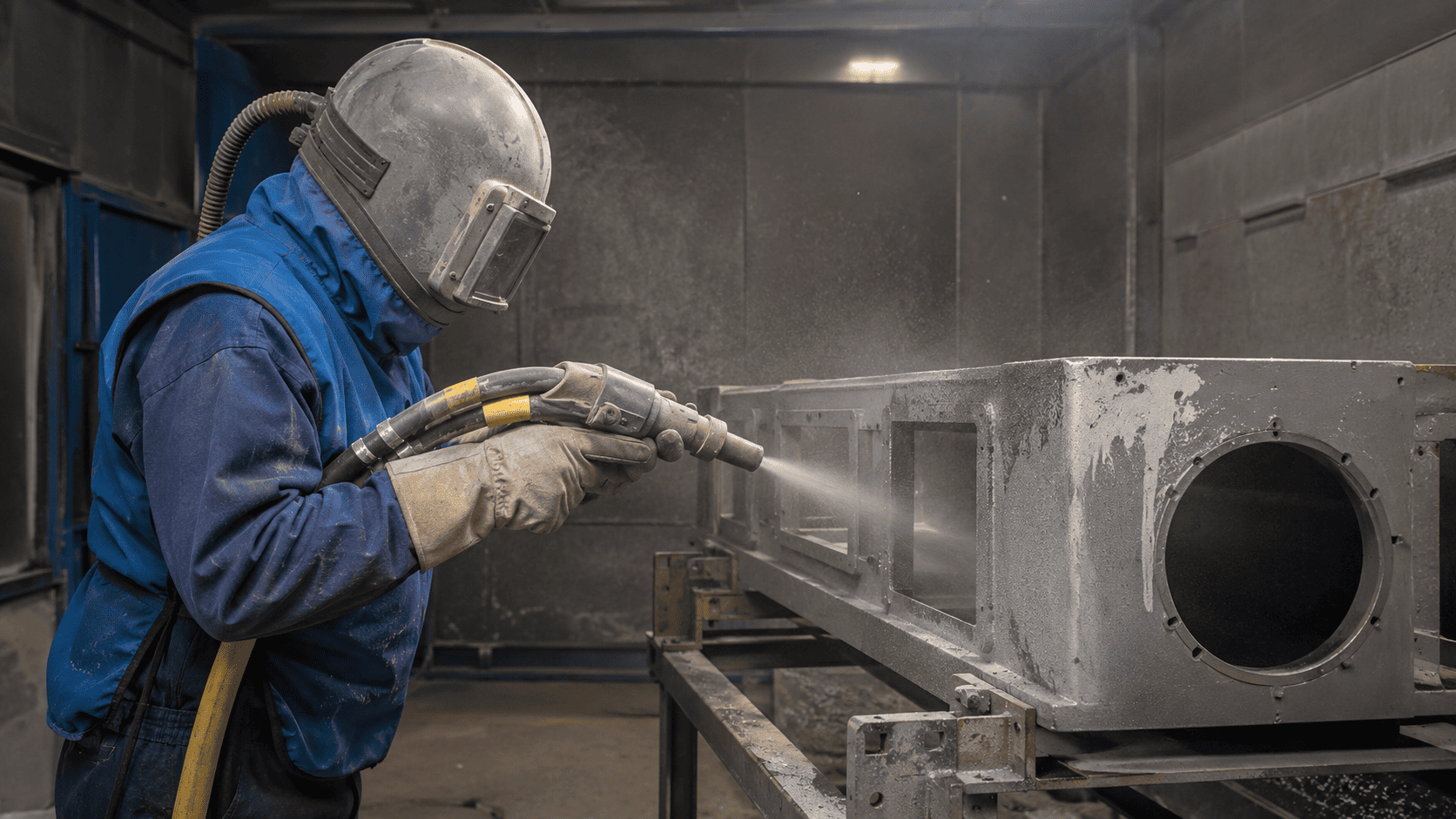
That is why careful surface preparation is a key part of the process. Depending on the item’s condition, preparation may include cleaning and sandblasting to remove unwanted material. Sandblasting can help strip away old coatings, loose rust, and buildup that may be difficult to remove by hand. Once the surface is clean, it can be inspected and prepared for the next stage.
Proper preparation can help:
- Create a cleaner metal surface
- Remove old finishes and loose rust
- Improve coating adhesion
- Support more even coverage
- Reduce surface flaws
- Improve the final appearance
Businesses considering powder coating or sandblasting for equipment and metal parts can view our powder coating services to learn more about the surface preparation and coating options available.
What Types of Business Equipment Can Be Powder Coated?
Commercial powder coating can be used for many types of metal items, but the right choice depends on each piece’s material, size, condition, and intended use. Businesses may have different needs, whether they are refinishing one worn component, restoring several items, or preparing new equipment before it enters service.
Common powder coating projects may include:
- Machinery parts
- Metal equipment
- Tools
- Brackets
- Frames
- Metal structures
- Shop components
- Wheels and rims
- Outdoor metal furniture
- Off-road vehicle parts
- Custom metal pieces
Businesses may also use powder coating for new parts before they are placed into service, giving the metal a finished appearance and added surface protection from the start. Older items can also be refinished if they remain structurally sound. Rust, faded coatings, scratches, and surface wear do not always mean the entire item needs to be replaced.
Not every material is suitable for powder coating, however. Heat-sensitive parts, mixed-material assemblies, and certain components may require another finishing method. Having the item reviewed first can help determine whether it can safely go through the coating and curing process.
Commercial Powder Coating Offers More Than Protection
Durability is a major reason businesses choose powder coating, but appearance can be just as important. Equipment that employees, customers, or visitors see can affect the overall look of a work area. Worn, scratched, or rusty metal can make otherwise functional equipment look neglected, even when it still performs well.
Powder coating creates a clean, even finish and is available in a range of colors and textures.
This makes it possible to refresh worn equipment, update older metal pieces, or create a more consistent appearance across several items. Depending on the available options, businesses can choose smooth, glossy, matte, or textured finishes based on the item’s look and use.
A well-finished piece of equipment can look more cared for while still getting the protection needed for regular use. For businesses that care about both appearance and durability, that combination can make powder coating especially useful.
Powder Coating Versus Traditional Liquid Paint
Powder coating and liquid paint can both protect and improve metal surfaces, but they use different application methods. Powder coating uses a dry material that is cured with heat. Once cured, it forms a solid layer over the prepared metal. Liquid paint is applied wet and dries or cures without the same powder-coating process.
For suitable commercial equipment, powder coating can offer several advantages:
- A smooth, even finish
- Strong resistance to common scratches and chips
- Protection against rust and corrosion
- A wide range of colors and textures
- No wet-paint runs or drips
- A surface designed for regular handling and use
Liquid paint may still be the better choice for items that cannot tolerate high curing temperatures or for projects with different material requirements. The right option depends on the metal, the work environment, the item size, and the required finish. Businesses that want to learn more about coating, surface preparation, and metal care can read our blog for additional information.
What Does the Commercial Powder Coating Process Involve?
Although every project is different, commercial powder coating usually follows several important stages. Each step has a specific purpose, from checking the item before work begins to inspecting the final finish. Careful attention throughout the process helps create a more consistent result.
Project Review
The item is first reviewed for its material, size, current condition, and intended use. This is also a good time to discuss finish preferences, colors, textures, and any areas of concern. Reviewing these details at the beginning helps determine what type of preparation may be needed before the coating process starts.
Cleaning and Surface Preparation
Remove rust, dirt, old coatings, grease, and buildup as needed. Sandblasting may be used to prepare the surface and create a cleaner base for the powder. Good preparation helps the coating bond more evenly and can improve the overall appearance of the finished item.
Powder Application
Apply the selected powder across the prepared metal surface. Careful application helps create consistent coverage. The powder choice can vary depending on the project, where the equipment will be used, and the finish the customer wants.
Heat Curing
The coated item is then placed in an oven and heated. The heat melts, flows, and cures the powder into a solid coating. This curing stage is what turns the dry powder into the finished protective layer that covers the metal.
Final Inspection
After curing, the item is checked for coverage, consistency, and overall appearance. A final inspection helps make sure the completed piece is ready to leave the facility and return to use.
How Businesses Can Prepare for a Powder Coating Project
Providing the right information before requesting a quote can make the process easier for both the business and the coating provider. It helps clarify what kind of item is involved, how much preparation may be needed, and what finish the customer has in mind.
Businesses should be ready to share details such as:
- The type of item
- The material, if known
- Approximate dimensions
- The number of pieces
- The current surface condition
- Existing rust or coatings
- How the item will be used
- Preferred color or finish
Photos can also be useful when discussing a project because they can show the metal’s general condition and any visible rust, damage, or old coating. An in-person review may still be needed before final recommendations are made, but clear information at the start can help everyone better understand the scope of the work.
FAQs About Commercial Powder Coating
How durable is commercial powder coating?
Commercial powder coating creates a strong finish that can resist scratches, chips, corrosion, moisture, and normal wear. How long the finish lasts depends on surface preparation, coating type, the working environment, and how heavily the equipment is used. Proper care and suitable use can also affect how well the finish holds up over time.
Can rusty business equipment be powder coated?
Often, yes, as long as the underlying metal is still in suitable condition. Rust and old coatings usually need to be removed before powder coating. Sandblasting can help prepare the surface so the new coating has a cleaner base to bond to.
Can powder coating be used for large commercial projects?
Powder coating can be used for projects of many sizes, but the item must fit the available preparation and curing equipment. Businesses should provide the dimensions, quantity, and type of items when requesting a quote so the coating provider can determine whether the project can be handled properly.
Can businesses choose different colors and finishes?
Yes. Powder coating is available in many colors, textures, and finish styles. Options vary, so it helps to discuss your preferred appearance before the project begins. The right finish can depend on both the look you want and how the equipment will be used.
Protect Your Business Equipment With Commercial Powder Coating
Commercial powder coating can help businesses protect valuable equipment, tools, machinery parts, and other metal items while giving them a clean, finished appearance. Proper preparation, careful coating, heat curing, and final inspection all play a role in creating a finish designed for regular use.
Powder Tech Solutions in Gibsonville, NC, provides commercial powder coating and sandblasting services for suitable equipment, machinery parts, tools, metal structures, and other business items. Contact us to discuss your project and request a free quote for the work you need.
